Building and site history: the Themistoclean wall and chapel in the hotel fabric
Electra Metropolis Athens was built around archaeological fragments preserved inside the hotel: sections of the 478 BC Themistoclean Wall and a small 16th‑century chapel are incorporated into the building fabric. You can see the ancient wall running through the Jasmine meeting room and view other remains in public and event areas where hotel design exposes the ruins.
In this guide
Origins and architect
The modern hotel sits on a site with deep history. The building was designed in the 20th century by architect Patroclos Karantinos and later adapted to include archaeological remains discovered on the property.
The design approach preserved and exposed fragments of older structures instead of removing them, so visitors encounter ancient fabric within contemporary hotel spaces.
What is the Themistoclean Wall?
The Themistoclean Wall dates to the late 5th century BC (around 478 BC) and was part of Athens’ classical defensive works following the Persian Wars. It is often encountered today as surviving stretches and reused stones woven into later city layers.
At Electra Metropolis Athens, fragments of this wall survive below and within the hotel structure and are presented as part of the building’s archaeological interest rather than as a standalone museum exhibit.
- Period: circa 478 BC (Themistoclean period)
- Function: part of city fortification line
- Survival: partial stretches and reused masonry preserved on site
Where to see the wall inside the hotel
A visible section of the Themistoclean Wall runs through the Jasmine meeting room, where the ancient masonry is integrated into the room’s lower-level finishes. Electra Metropolis lists Jasmine as a meeting space with no-natural-daylight, and notes that a section of the ancient wall runs through it.
Other public areas and some event rooms expose archaeological fabric or reference it in design, so staff at concierge or the events team can point you to the best viewpoints and any interpretive information available.
- Primary viewing spot: Jasmine meeting room (ancient wall runs through the room)
- Ask events or concierge staff for guided explanation or directions
- Remains are presented in situ — they are integrated into interior spaces rather than isolated behind glass exhibits
The 16th‑century chapel in the hotel fabric
Alongside the classical wall, the hotel incorporates a small 16th‑century chapel within its construction. The chapel represents a later historical layer on the site and survives as part of the building fabric rather than as a separately operated religious space.
Public information about the chapel’s interior access or liturgical use is limited; if you want to see it, ask the concierge or events team for current details and whether the chapel area can be viewed.
How the hotel integrates ruins with modern use
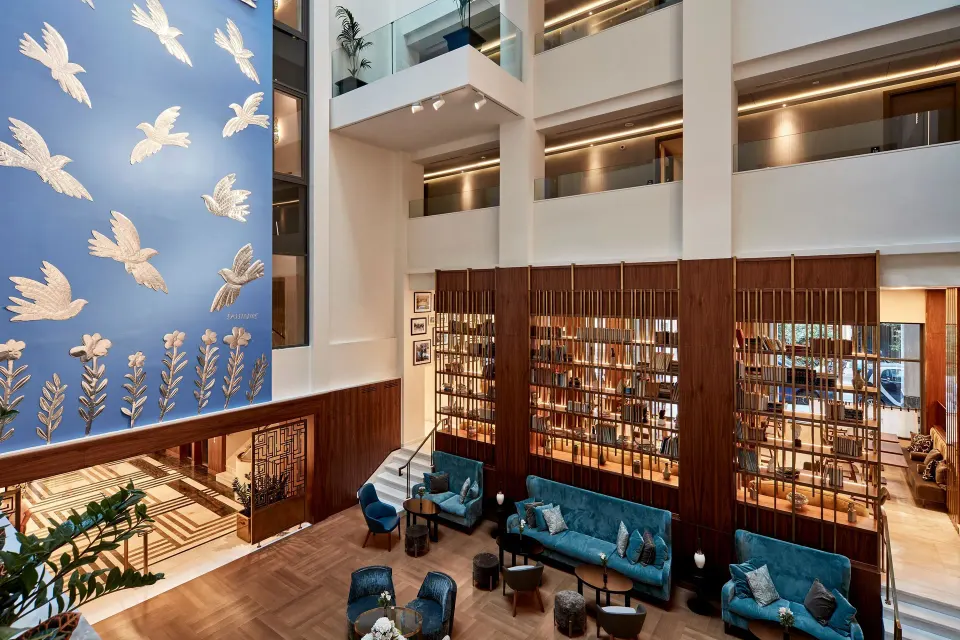
Electra Metropolis keeps the archaeological remains visible while using adjacent spaces for meetings, dining and public circulation. Meeting rooms such as Jasmine explicitly reference the wall as part of their layout, and other venues incorporate exposed stone or design cues that acknowledge the site’s history.
This approach means the remains form part of the lived hotel environment: you may encounter ancient masonry while attending events, entering meeting rooms, or walking public corridors.
- Jasmine meeting room: ancient wall runs through the room
- Magnolia and other meetings spaces sit nearby and serve conferences and events
- Concierge and events staff can direct you to visible sections and explain how the ruins were preserved
| Hotel Space | Notes |
|---|---|
| Jasmine (meeting room) | Section of Themistoclean Wall runs through this room; no natural daylight |
| Magnolia (conference) | Nearby large conference space — archaeological fabric influences layout of lower levels |
| Public corridors / lower levels | Other fragments are exposed in circulation areas and event-adjacent spaces |
Visiting tips and accessibility
If seeing the wall or chapel matters to your stay, tell the hotel in advance or ask at check-in — the concierge or events team can point you to Jasmine and to other visible sections. Access to some areas may be limited during events or private functions.
Electra Metropolis provides wheelchair-accessible routes and rooms; if you require step-free access to the lower-level viewing points, confirm with the hotel before arrival so staff can advise or escort you.
- Ask concierge or events (email events.athens@electrahotels.com) for directions or guided viewing
- Jasmine and some lower-level areas may be used for private events — visibility can vary
- Photography is generally permitted, but check with staff if flash or tripods are intended
Why this matters for travelers
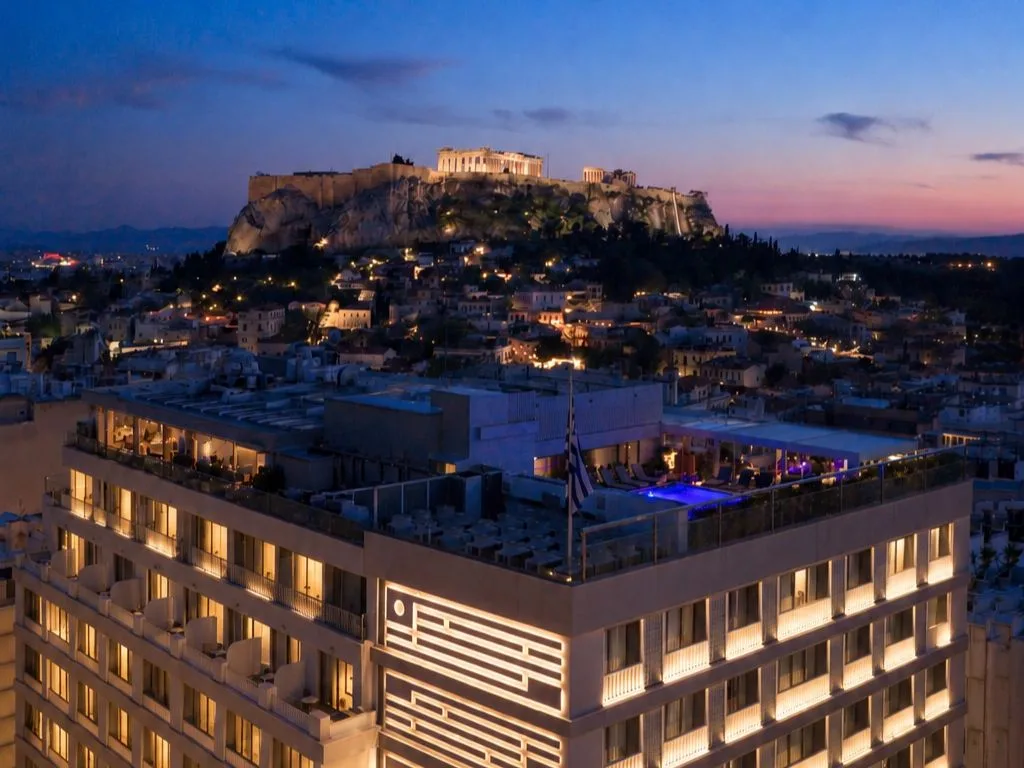
The hotel’s integration of the Themistoclean Wall and a 16th‑century chapel offers a direct encounter with Athens’ layered history without leaving central Mitropoleos Street. For travelers interested in archaeology or architecture, these in-situ remains give context to the neighbourhood’s continuous occupation.
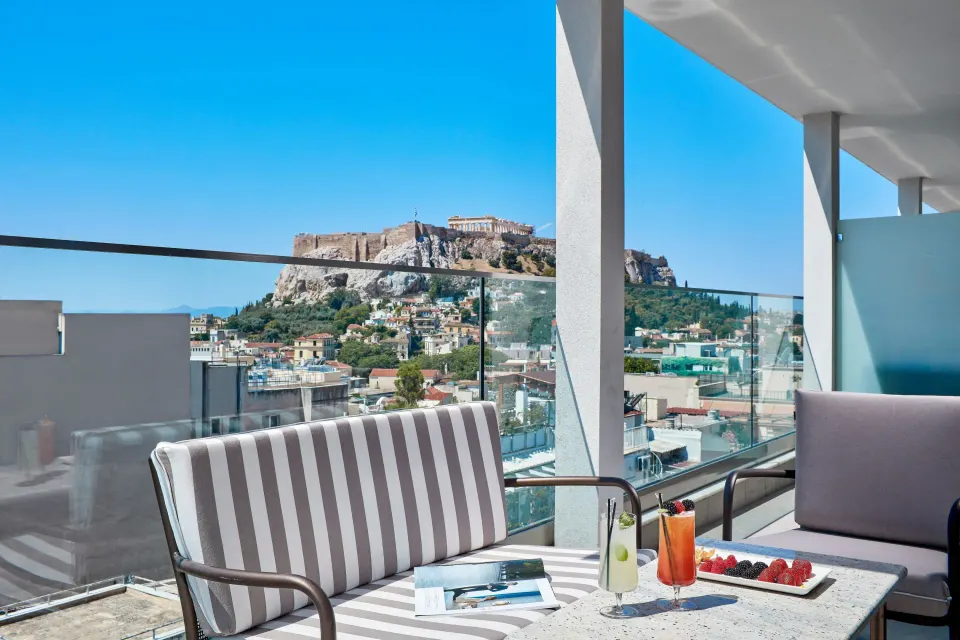
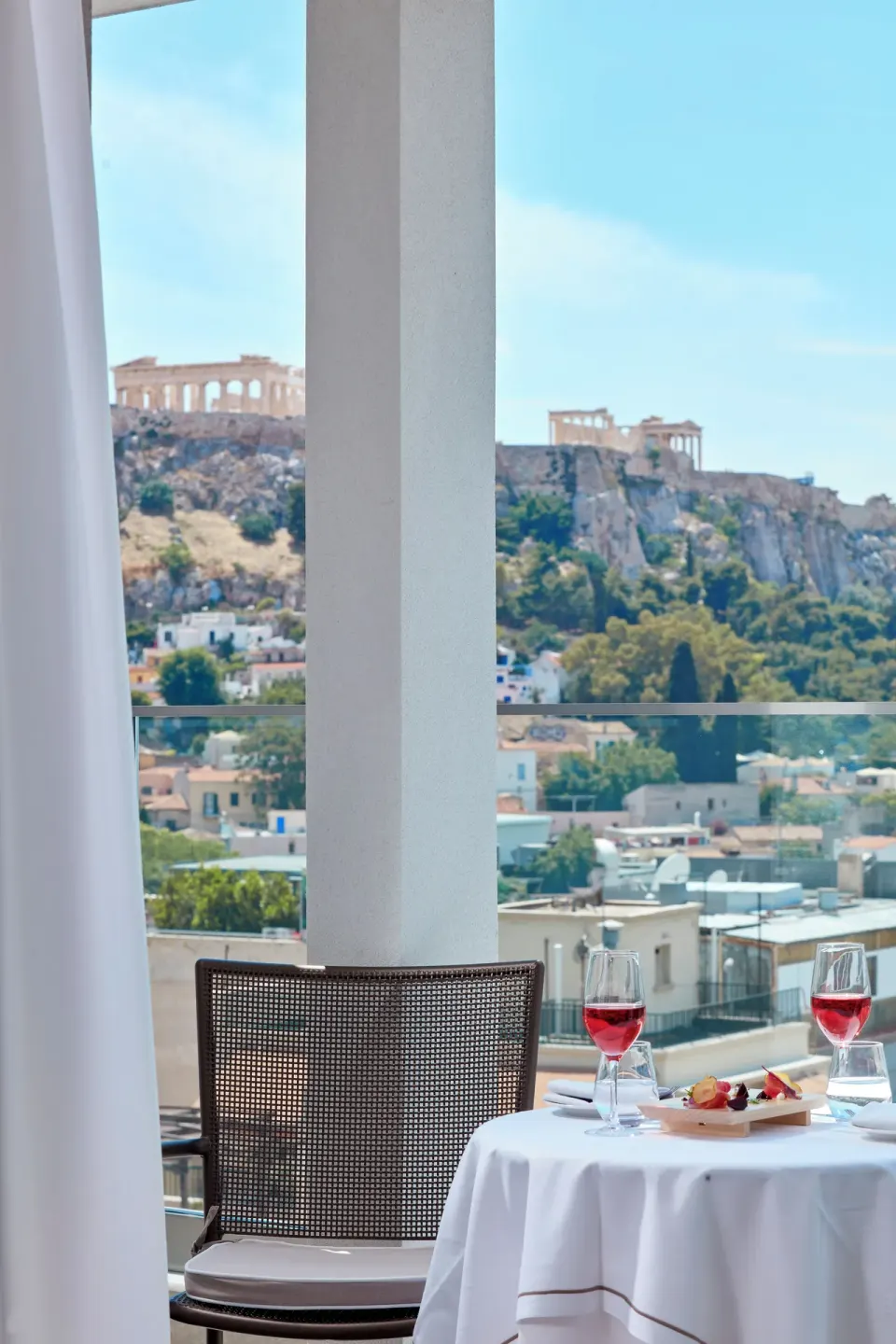
Remember that the remains are part of the hotel’s structure and event spaces: they are not a full archaeological exhibition, and interpretation available on-site may be brief. Use the concierge if you want more historical detail or directions to related nearby sites such as the Ancient Agora and the Acropolis.